Robot Arms
Size by payload first, then choose the axes you need, then check what the controller and safety system do for you.
How to compare robot arms
- Payload
- The most the arm carries at its flange, rated at full reach. Subtract the gripper, camera and cabling to get what is left for the part.
- Reach
- How far the flange gets from the center of the base. The usable workspace is smaller close to the base and at full height.
- Repeatability
- How closely the arm returns to a taught point (ISO 9283). It is not accuracy: an arm can return to the same wrong spot, so vision-guided work also depends on calibration.
- Axes
- Four axes (x, y, z and a turn about z) suit top-down pick and place. Five cannot reach every tool angle. Six reach any position and orientation in the workspace. Seven add an elbow that moves without moving the tool, for working around obstacles.
- Built-in IK
- The controller takes a target position and orientation and works out the joint angles (inverse kinematics). Without it, your software solves that math and handles singularities.
- Torque sensing
- A torque sensor in every joint measures load directly, for force control, sensitive collision detection and hand-guiding. Arms without sensors estimate torque from motor current, which is coarser, especially through high-ratio gearboxes.
- Class
- Education arms use hobby servos or steppers and suit teaching and prototyping. Research arms are lightweight, SDK-first arms for labs and robot learning. Collaborative arms are industrial cobots with certified safety functions. Industrial arms are fast, precise arms for fenced cells or guarded machines, with no contact-force limits.
- Safety certified
- Rated to work near people without a fence, after your own risk assessment: ISO 10218-1 and a PLd Cat. 3 safety controller (ISO 13849-1). ISO/TS 15066 sets the contact-force limits.
- E-stop
- A hardware emergency stop wired into the safety circuit, not a software command. Check whether it comes with the arm or with the teach pendant.
Financing is available on robots: pay later on net terms, or spread the cost over 12 to 60 months. See the options
-
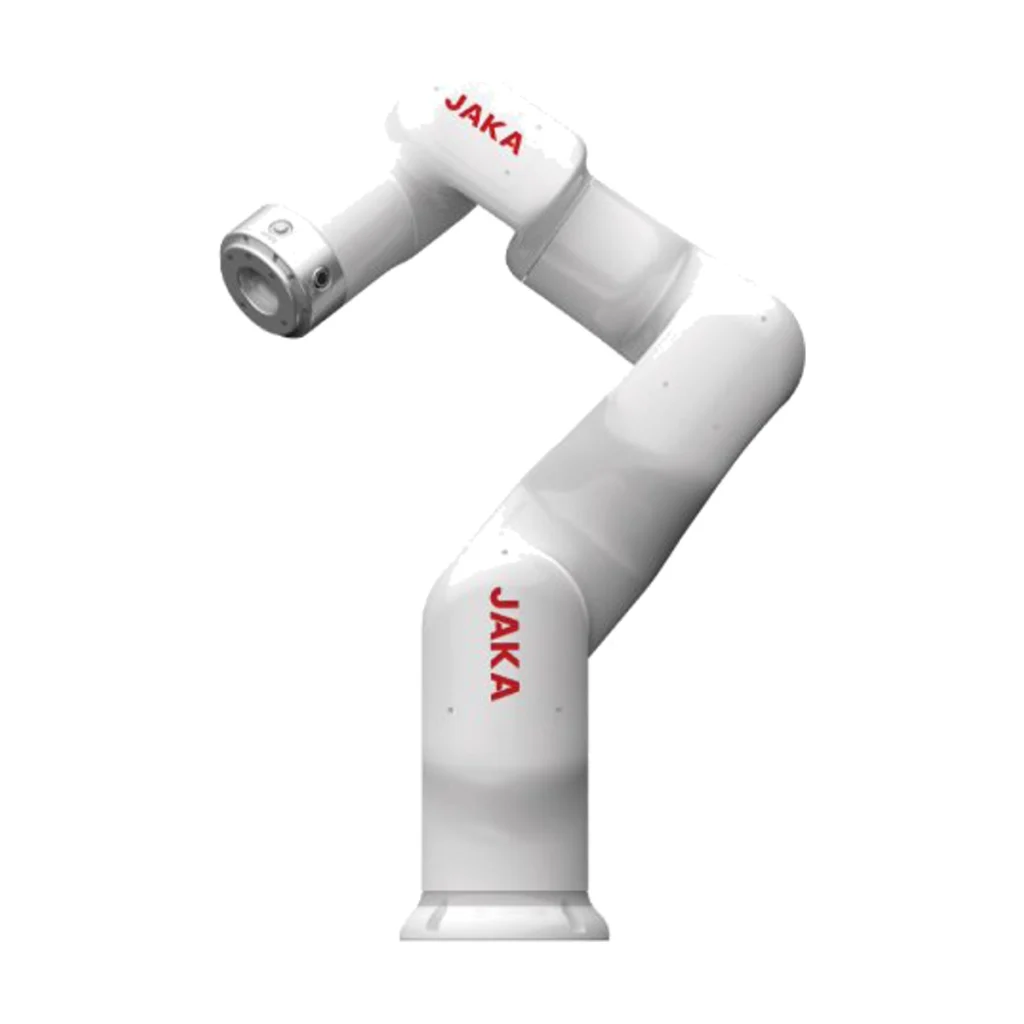
JAKA MiniCobo Compact Collaborative Robot Arm
Research1 kg580 mm$9,759.90 -

JAKA Zu 3 Collaborative Robot Arm
Collaborative3 kg626 mm$24,488.90 -

JAKA Zu 7 Collaborative Robot Arm
Collaborative7 kg819 mm$28,366.90 -

JAKA Zu 5 Collaborative Robot Arm
Collaborative5 kg954 mm$28,387.90 -

JAKA Pro 5 Collaborative Robot Arm
Collaborative5 kg954 mm$30,515.90 -

JAKA Zu 12 Collaborative Robot Arm
Collaborative12 kg1,327 mm$35,368.90 -
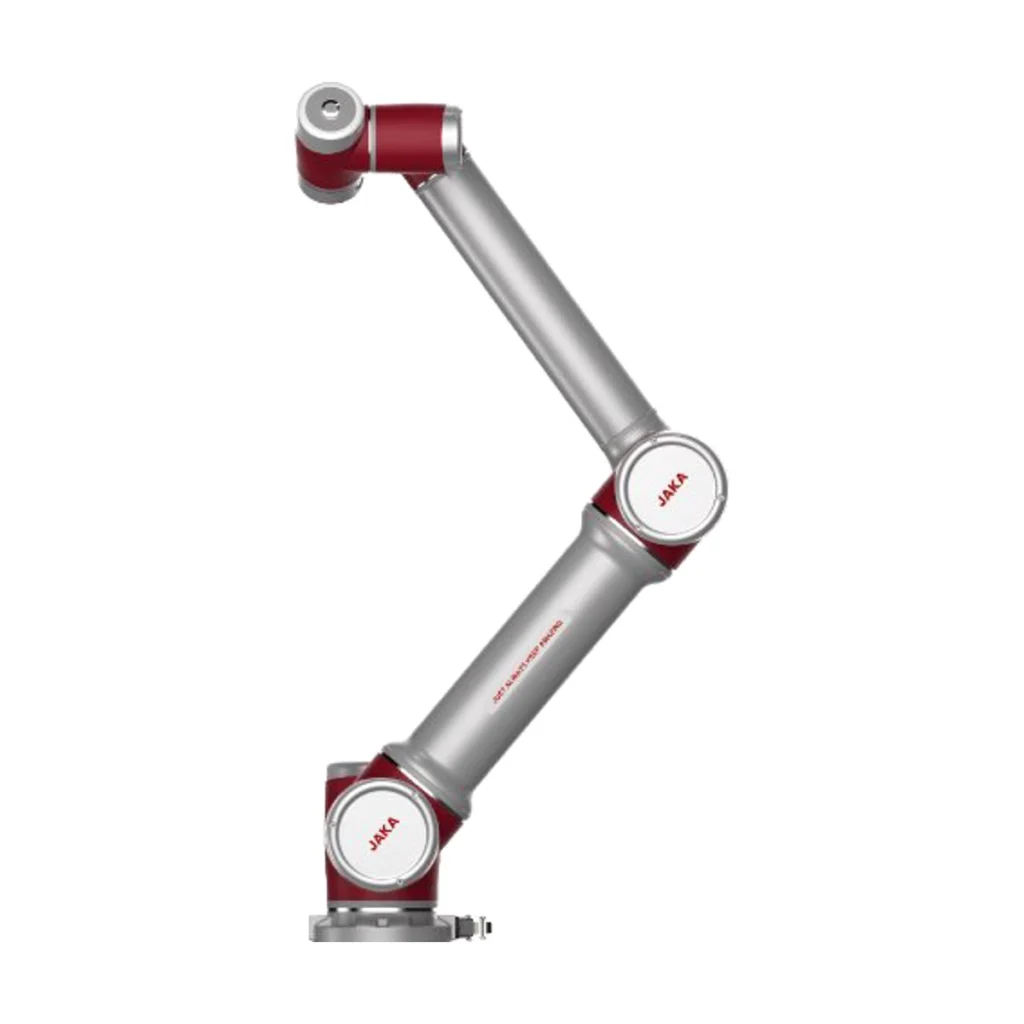
JAKA Pro 12 Collaborative Robot Arm
Collaborative12 kg1,327 mm$35,456.90 -
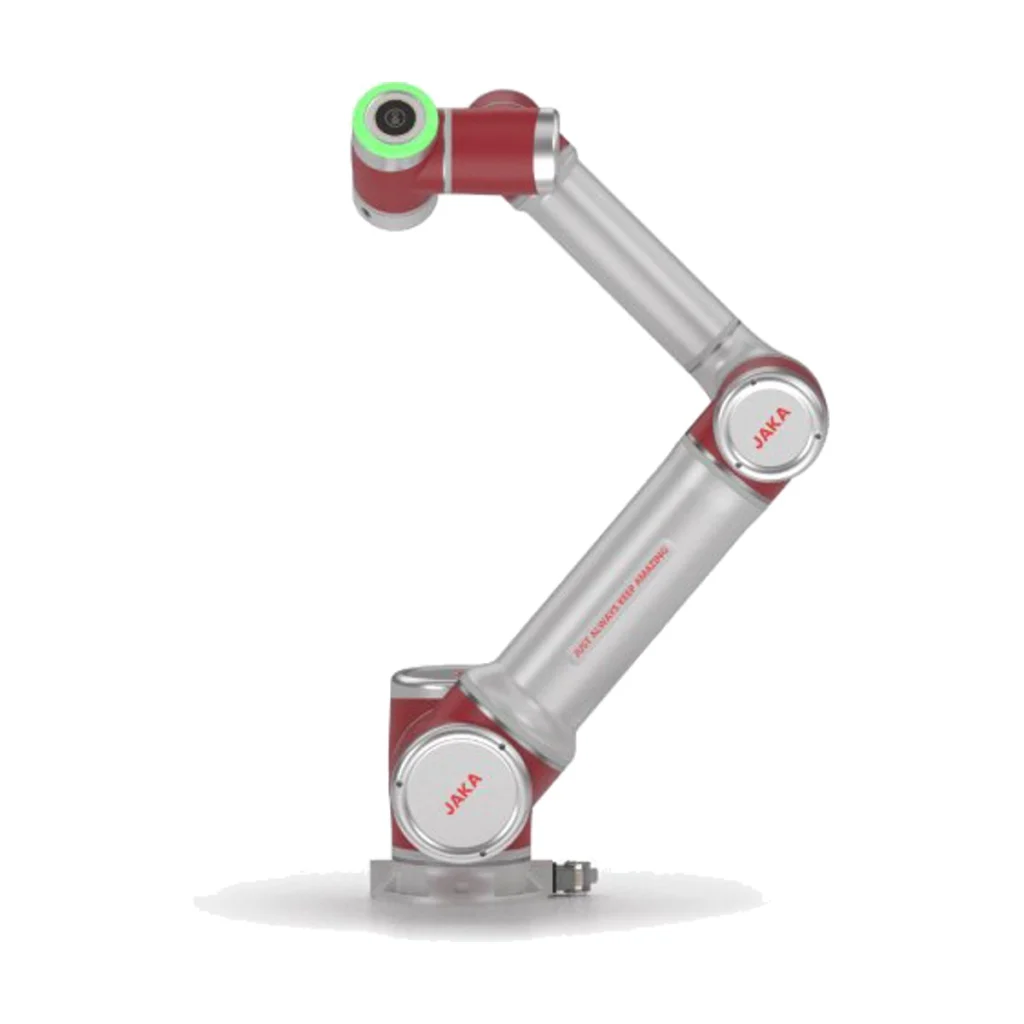
JAKA Zu 18 Collaborative Robot Arm
Collaborative18 kg1,073 mm$36,710.90 -
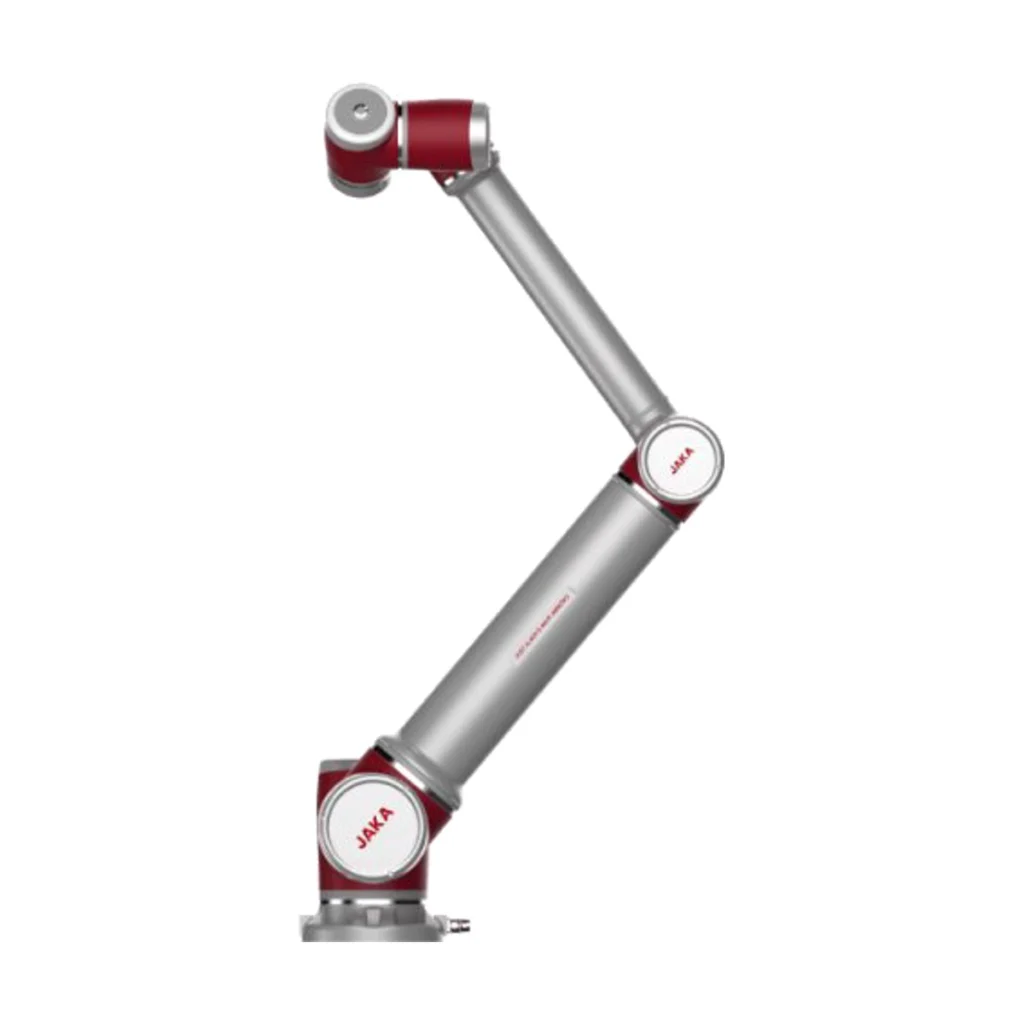
JAKA Pro 16 Collaborative Robot Arm
Collaborative16 kg1,713 mm$40,891.90 -
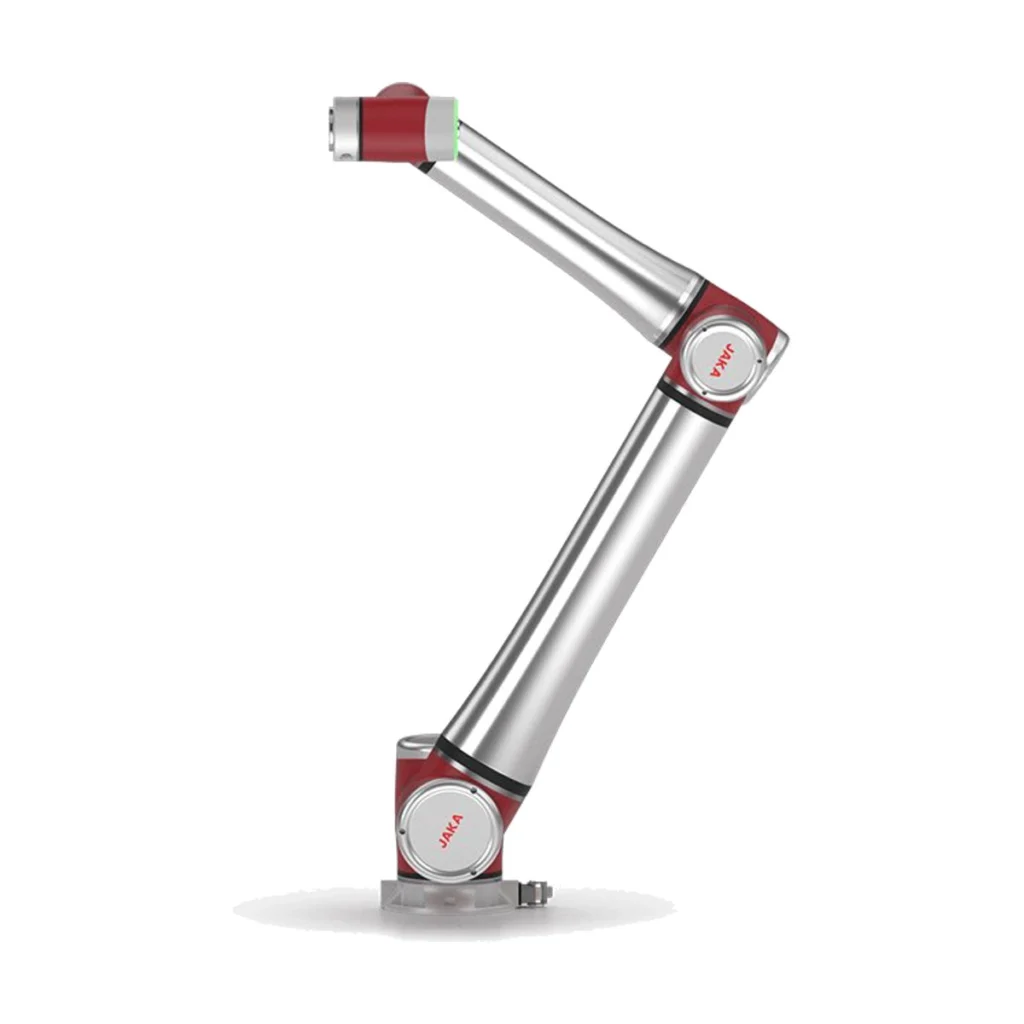
JAKA A12 Collaborative Robot Arm
Collaborative12 kg1,425 mmPrice on request -
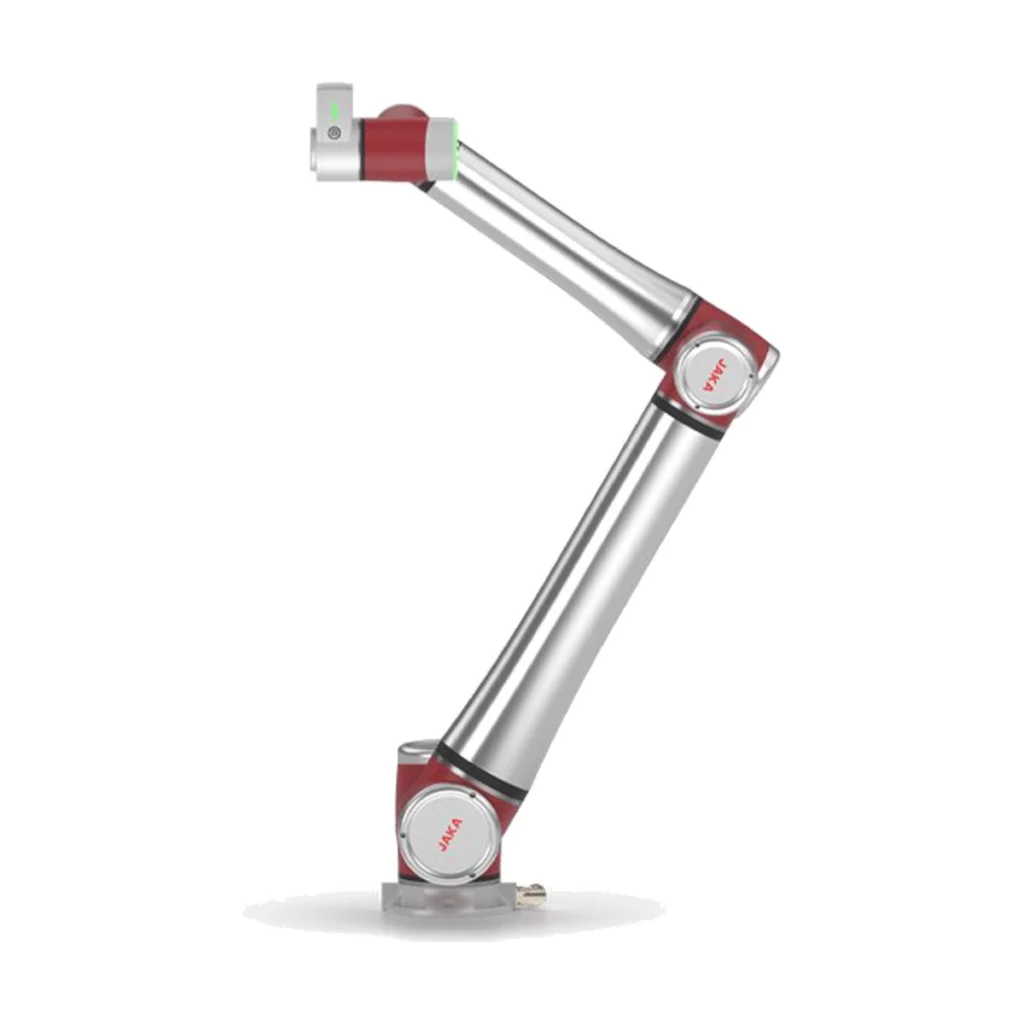
JAKA A12L Vision Collaborative Robot Arm
Collaborative12 kg1,425 mmPrice on request -
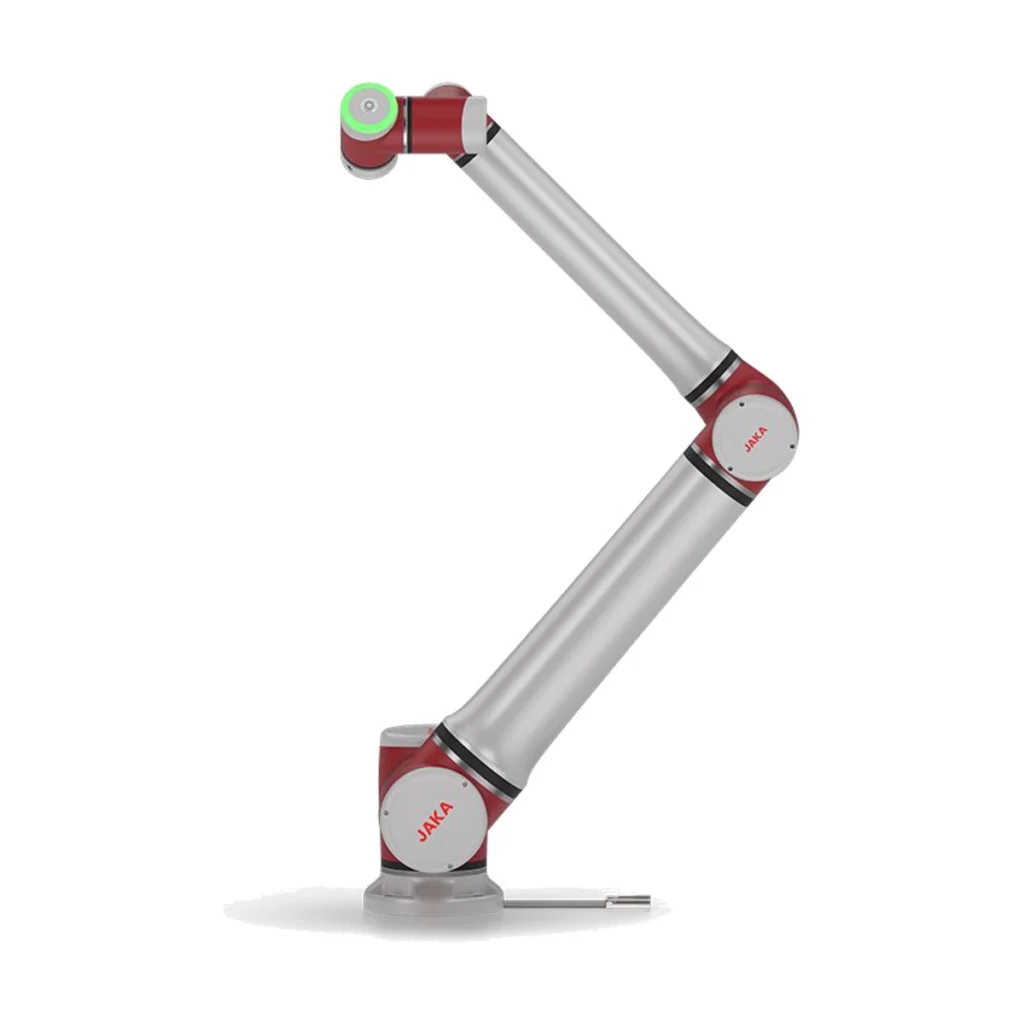
JAKA A20 Collaborative Robot Arm
Collaborative20 kg1,780 mmPrice on request -
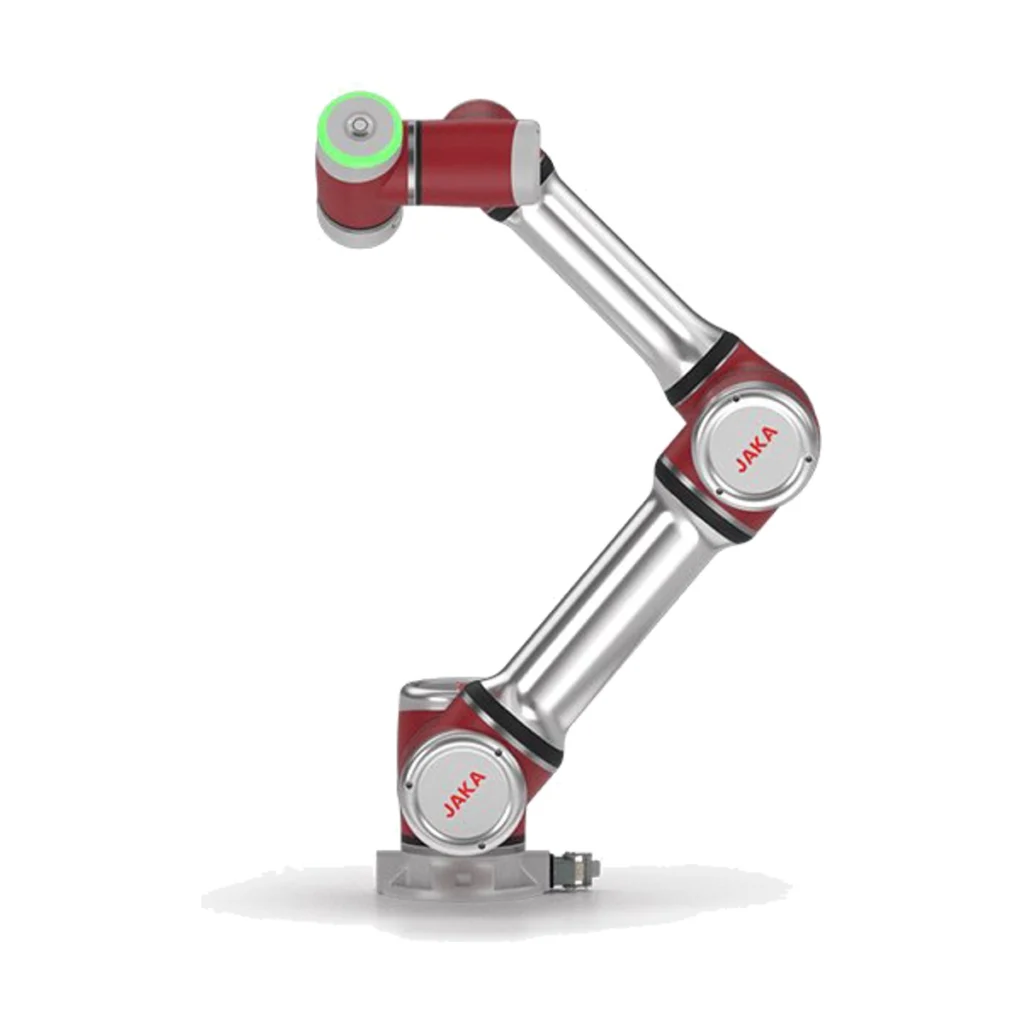
JAKA A5 Collaborative Robot Arm
Collaborative5 kg954 mmPrice on request -
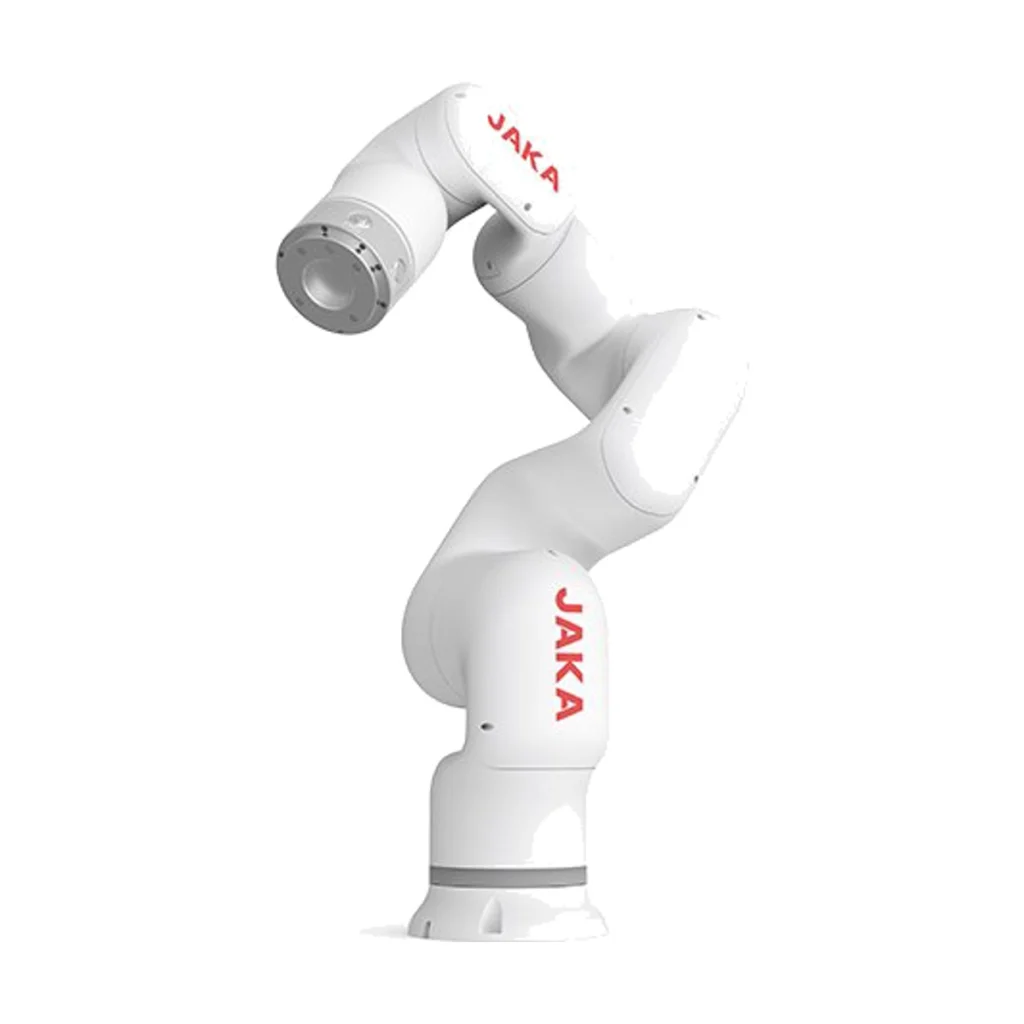
JAKA Mini 2 Compact Collaborative Robot Arm
Collaborative2 kg580 mmPrice on request -
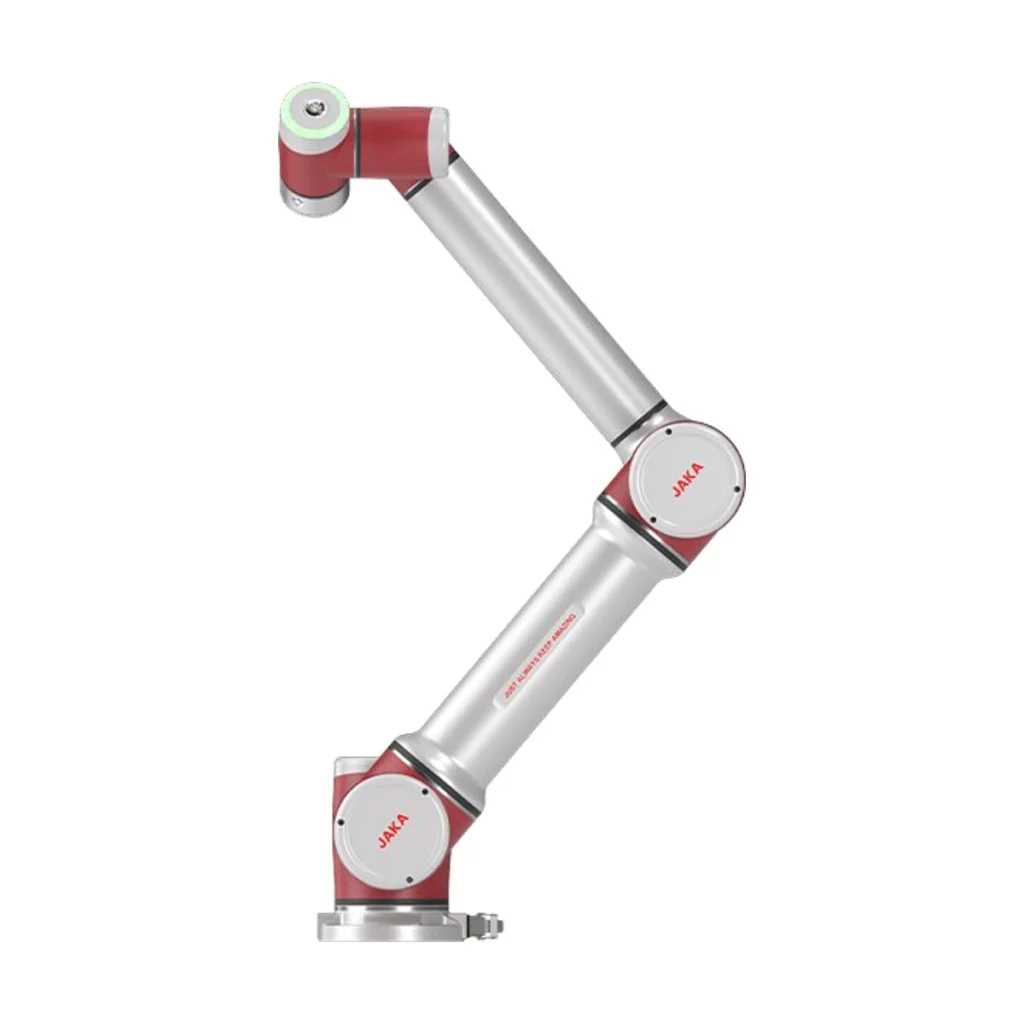
JAKA S12 Force-Sensing Collaborative Robot Arm
Collaborative12 kg1,327 mmPrice on request -
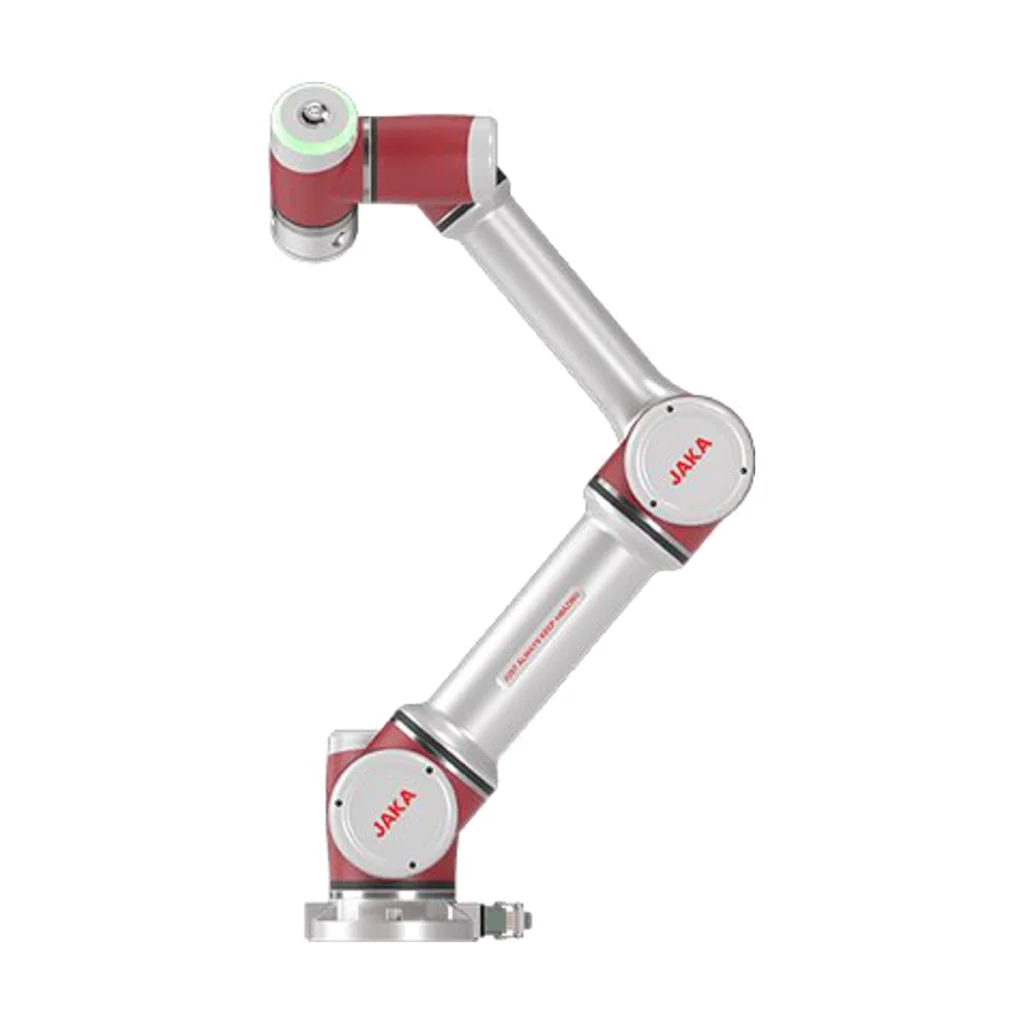
JAKA S5 Force-Sensing Collaborative Robot Arm
Collaborative5 kg954 mmPrice on request -
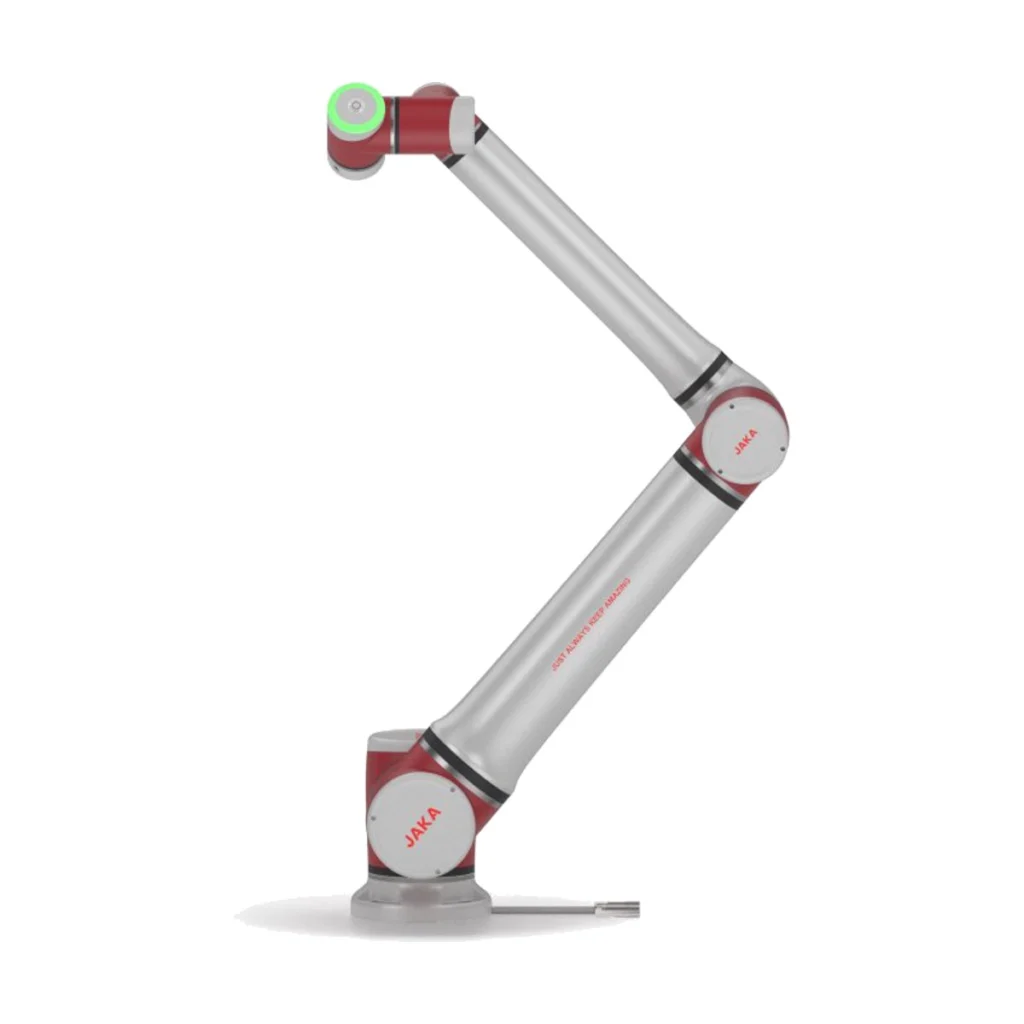
JAKA Zu 20 Collaborative Robot Arm
Collaborative20 kg1,780 mmPrice on request -
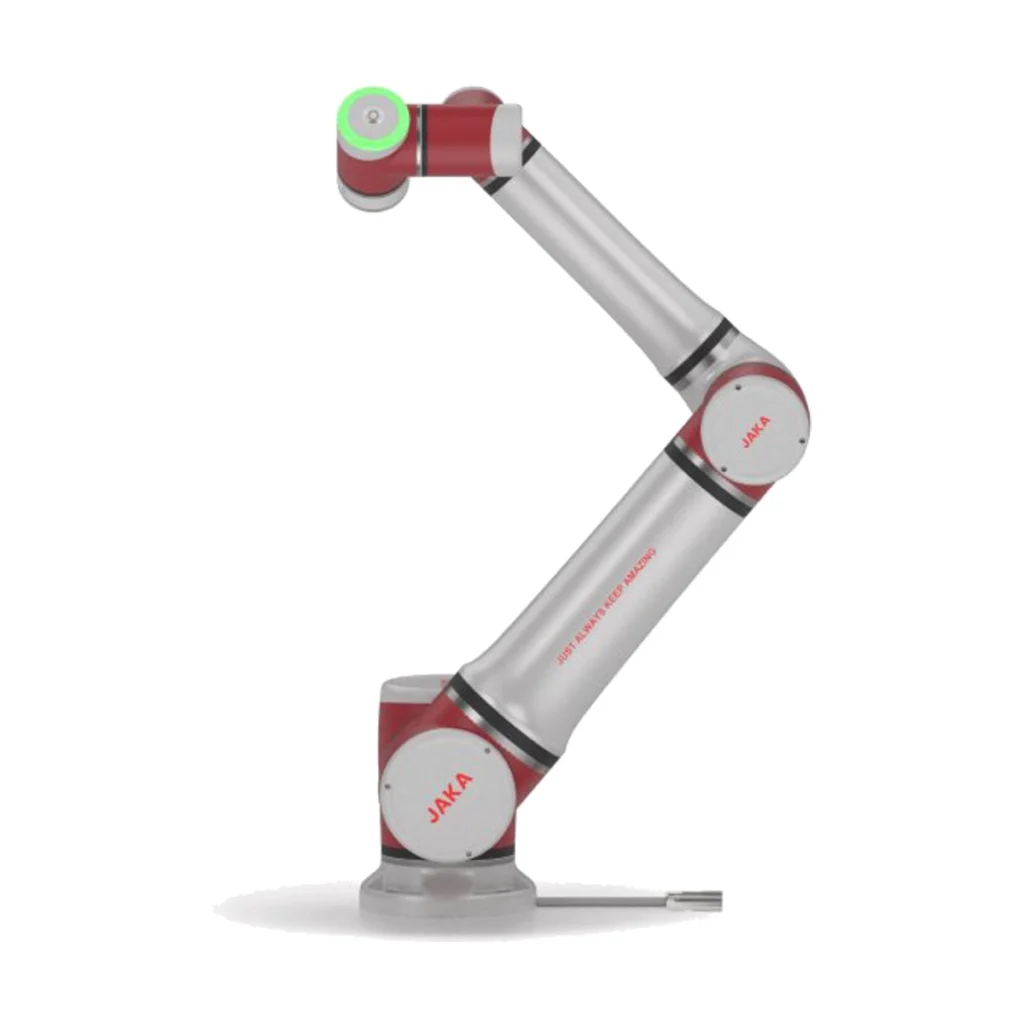
JAKA Zu 30 Collaborative Robot Arm
Collaborative30 kg1,350 mmPrice on request -
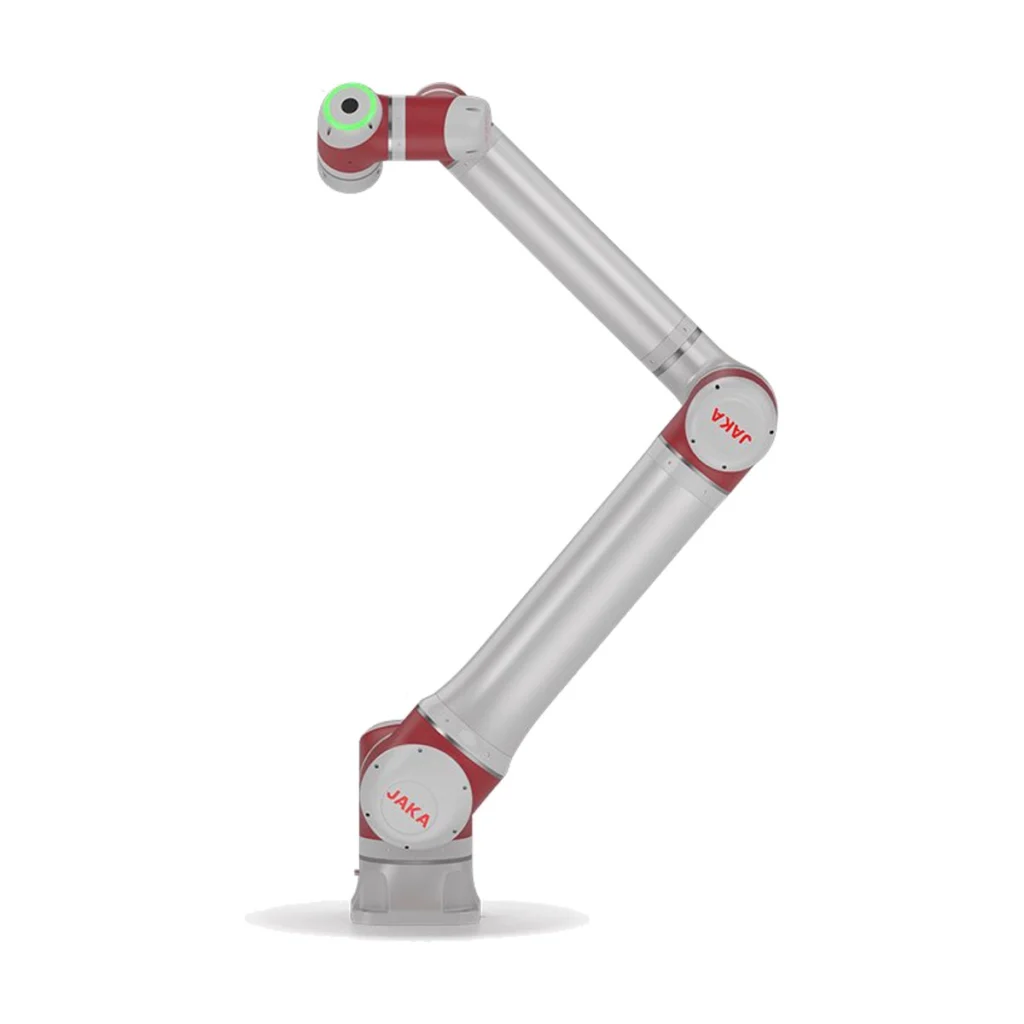
JAKA Zu 35 Collaborative Robot Arm
Collaborative35 kg2,000 mmPrice on request -
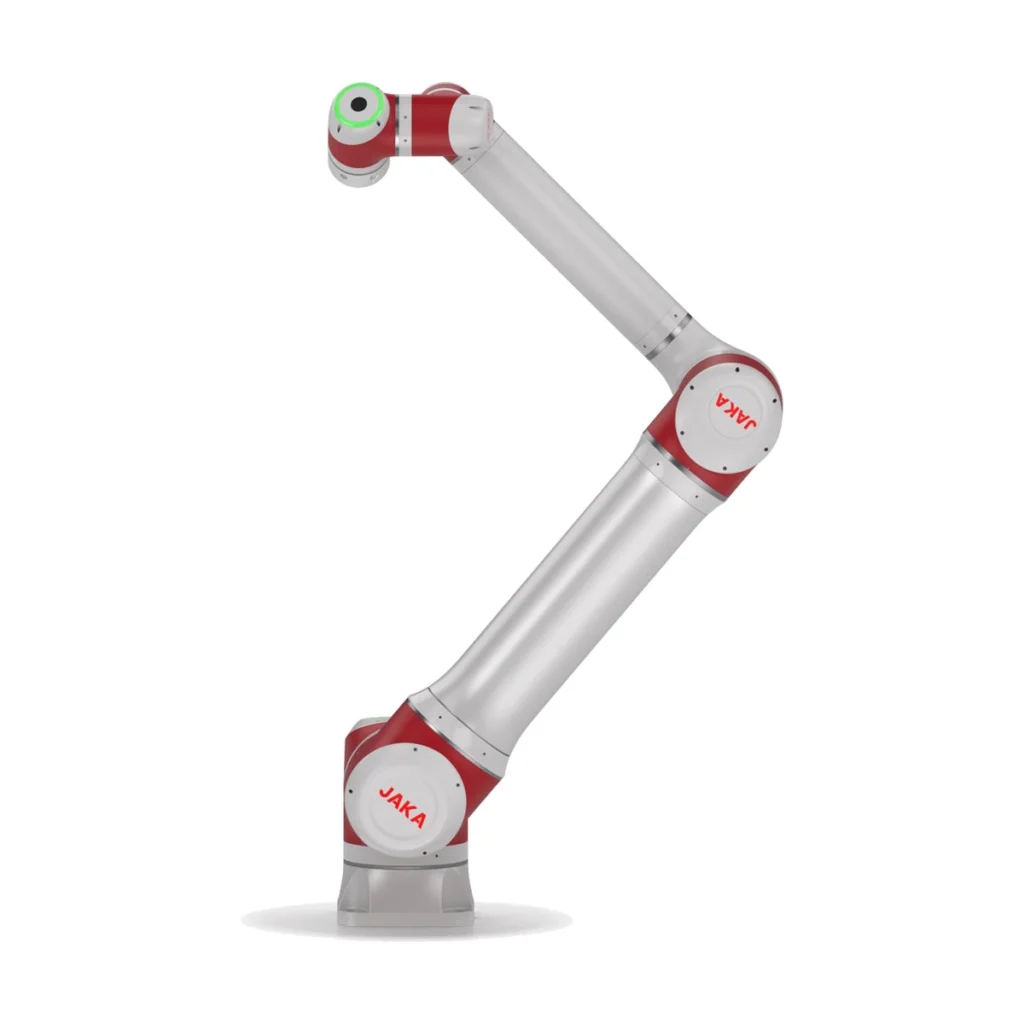
JAKA Zu 50 Collaborative Robot Arm
Collaborative50 kg2,100 mmPrice on request
Can’t find it here? Send a request.
The store lists what our manufacturers publish. For anything else, a different spec, a quantity price or a part we don’t carry yet, tell us what you need and we’ll find it.
- Parts and materials sourced from qualified manufacturers
- A landed quote: parts, freight, duties and tariffs
- Attach a BOM, drawing or spec sheet